Going Green in Meridian: The Eco-Friendly Upgrades Buyers Actually Notice (And What They Don't)
I get asked about eco-friendly upgrades more now than I did even two years ago. Buyers touring homes in Meridian want to know about utility costs. They ask about water bills. They notice the appliances, the windows, the insulation. And in a market where 586 homes were active in September 2026 with homes averaging 40 days on market, sellers who've made smart green upgrades aren't just appealing to buyers' values. They're answering practical questions about monthly costs in a way that moves offers forward.
Here's what I'd be looking at if I were in your shoes this fall.
Energy-Efficient Appliances: The Upgrade Buyers See Every Day
If you're replacing an appliance anyway, go Energy Star. Period. Buyers walking through homes along Eagle Road or out near Ten Mile don't just glance at your fridge and stove. They're mentally calculating what it's going to cost them every month to live here. When they see newer, efficient appliances, that math gets easier.
A high-efficiency furnace matters in Idaho. So does a modern water heater. These aren't flashy upgrades, but they show up in inspection reports, and they come up in buyer conversations. I've watched buyers choose one home over another because the furnace was three years old instead of fifteen. That's real money saved on replacement, and real peace of mind.
If you're not replacing everything, focus on what buyers use daily. Dishwasher, refrigerator, washer and dryer if you're leaving them. Anything with an Energy Star label and a recent manufacture date signals that you've taken care of the home and that the new owner won't be dealing with surprise replacements six months in.
Windows and Insulation: The Invisible Upgrade That Shows Up on the Power Bill
This one's harder to see in photos, but it comes through loud and clear during showings. Meridian summers get hot. Winters get cold. Buyers know this. When they walk into a home that feels comfortable without the HVAC running overtime, they notice.
Dual-pane or triple-pane windows make a difference. So does proper attic insulation. I'm not saying you need to re-insulate your whole house before listing, but if you've done it in the last few years, make sure your listing mentions it. That's a value point buyers won't see on their own, and it directly addresses one of their biggest concerns: what's this going to cost me to heat and cool?
Across Ada County, where the average home sold for $716,668 in September 2026, buyers are weighing every cost. Energy efficiency isn't a nice-to-have anymore. It's part of the affordability equation.
Water-Saving Fixtures: Simple, Affordable, and Worth Mentioning
Low-flow faucets, dual-flush toilets, water-efficient showerheads. These are easy, inexpensive upgrades that add up over time, especially for buyers thinking long-term. Idaho's high desert climate makes water conservation more visible than it might be in other markets. Buyers moving here from California already think this way. Local buyers are catching up.
If you've installed any of these, call them out. Not in a preachy way, just as fact. "Dual-flush toilets throughout." "Low-flow fixtures in all bathrooms." It shows attention to detail, and it signals that you've thought about ongoing costs, not just upfront appearance.
And if you haven't upgraded these yet but you're planning a quick bathroom refresh before listing, this is one of the easiestswaps you can make. It won't break your budget, and it's the kind of thing buyers notice once they start living in the space and realize their water bill isn't climbing every summer.
Sustainable Materials: Where They Matter (and Where They Don't)
Here's where I'll give you the honest answer, even when it isn't the easiest answer. Buyers care about sustainability when it connects to durability, cost savings, or health. They don't care about it when it's just a label.
Bamboo or reclaimed wood flooring? Great, if it looks good and wears well. Buyers in Meridian neighborhoods like Paramount or Tuscany aren't choosing a home because the floors are eco-certified. They're choosing it because the floors look clean, modern, and well-maintained. If your sustainable choice also happens to be beautiful and durable, that's a win. If it looks worn or cheap, it's working against you no matter how green it is.
Low-VOC paint is smart. It's better for indoor air quality, and it's standard now in most new construction. If you're repainting before listing, use it. But don't expect buyers to ask about it. What they will notice is that the home smells fresh and feels clean when they walk in. That's the real payoff.
Countertops made from recycled materials can be stunning. Quartz, recycled glass, even concrete. But again, buyers are looking at appearance and function first. If it's durable, modern, and fits the kitchen, it works. The sustainability angle is a nice bonus, not the main selling point.
Solar Panels: The Upgrade That Needs Context
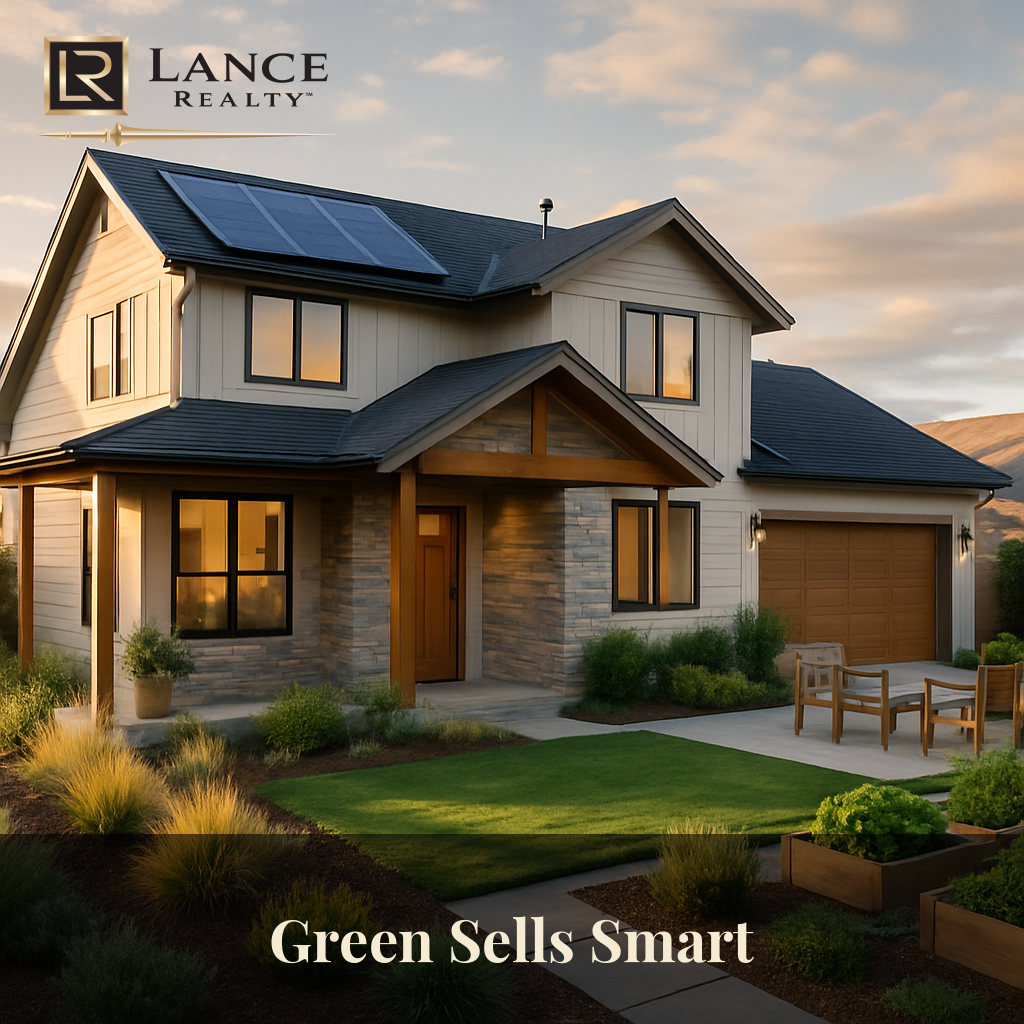
This one comes up a lot, and it's more complicated than most sellers expect. Solar panels can be a huge value-add. They can also create confusion, slow down financing, and scare off buyers if the terms aren't clear.
If you own your solar system outright, you're in good shape. That's a real asset you can promote. Lower power bills, clean energy, and no ongoing lease obligation. Buyers like that story, especially when power costs are climbing and mortgage rates are sitting above 7%.
If you're leasing your panels, that's a different conversation. Some buyers are fine taking over a lease. Others won't touch it. You need to know the terms, the transfer process, and whether the lease affects the appraisal or the buyer's financing. I've seen deals stall because a seller didn't disclose the lease details early enough, and the buyer's lender flagged it a week before closing.
My job is to help you see the full picture before you make a move. If you've got solar and you're thinking about selling, let's talk through how to position it so it helps your sale instead of complicating it.
What Buyers in Meridian Are Actually Asking About Right Now
In September 2026, with 256 homes sold and a median sold price of $575,000, the buyers I'm working with are focused on total cost of ownership. They want to know what they're going to spend every month after the mortgage payment. Utilities, maintenance, insurance, HOA fees if applicable. Eco-friendly upgrades that lower those ongoing costs matter more than upgrades that just sound good.
Smart thermostats, LED lighting, efficient HVAC systems. These aren't flashy. They don't photograph like a kitchen remodel. But they answer buyer questions before buyers even ask them, and in a market where homes are averaging 40 days on market, that kind of clarity helps.
If you've made upgrades that genuinely reduce operating costs, those need to be part of your story. Not buried in the MLS remarks. Not mentioned casually during a showing. Front and center in your listing description and in the walkthrough conversation. That's how you position a home, not just list it.
The Upgrades That Don't Move the Needle
Composting systems. Rainwater collection. Greywater recycling. These can be great if you're planning to live in the home long-term and you're committed to a sustainable lifestyle. But in Meridian's resale market, they're niche. Most buyers see them as added complexity, not added value.
If you've installed something like this and you love it, that's fine. But don't expect it to drive your sale price or bring in more offers. And if you're thinking about adding one of these systems before you list, I'd spend that money somewhere else. Focus on updates that appeal to the widest possible buyer pool, not the smallest one.
Positioning Green Upgrades the Right Way
When I help sellers prepare their home to sell, we talk through every improvement they've made and figure out how to communicate the value. If you've upgraded to energy-efficient windows, that's not just "new windows." It's lower heating and cooling costs, better comfort, and reduced noise from Chinden or Fairview if you're near a busy road.
If you've installed a high-efficiency furnace, that's not just "newer HVAC." It's predictable utility bills, fewer service calls, and a system that'll last another fifteen years without major expense.
This is what The Seller's Edge is built around. Not just listing the features, but positioning them in a way that connects to what buyers actually care about. Every home has a story. My job is to make sure yours gets told the right way.
Final Thought: Green Upgrades Work When They Solve Real Problems
Buyers don't choose homes because they're eco-friendly. They choose homes that feel right, fit their budget, and won't cost them a fortune to maintain. If your green upgrades deliver on those priorities, they're working for you. If they're just checked boxes on a certification list, they're not.
Think about what matters most to someone moving into your home this fall. Energy bills in a Treasure Valley winter. Water costs during a dry summer. Appliances that won't need replacing in two years. If your upgrades answer those concerns, you're positioned well. If they don't, we need to adjust the story or redirect the investment.
Not every upgrade makes sense for every home or every timeline. That's the conversation we need to have before you make decisions, not after. And if you've already made improvements, let's make sure buyers understand the value, because they won't figure it out on their own.
For more on how small updates can make a big difference before you list, check out Easy DIY Projects That Can Boost Your Middleton Home's Value Before You List.
Have more questions about selling your Meridian home? Visit our Meridian Home Selling FAQ for straight answers on pricing, closing costs, timing, and more.
Barry Lance | Owner/Broker/Realtor® | 208-488-1433 | [email protected] | LanceRealty.com



