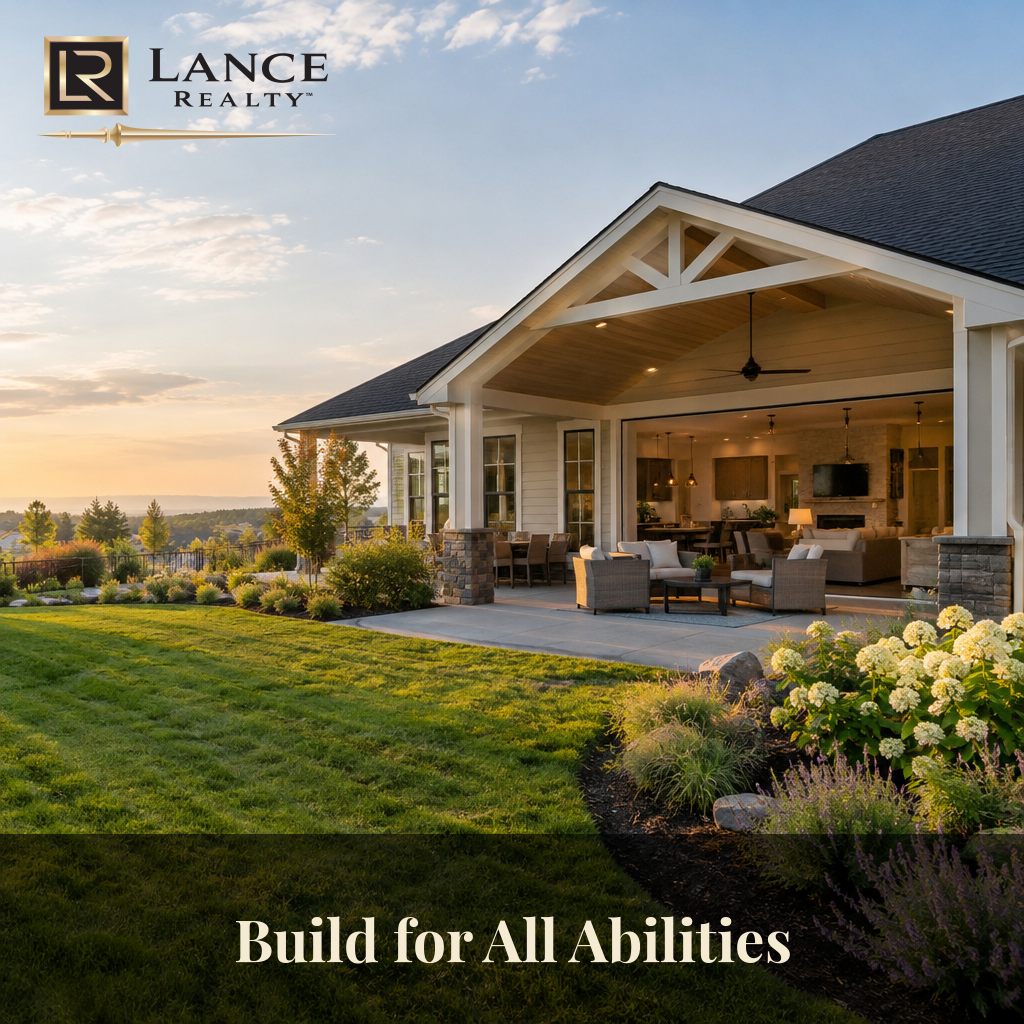
Making Your Middleton Home More Accessible: What to Consider Now for Aging in Place or a Stronger Sale
Accessibility Isn't Just About Aging in Place
I talk to a lot of Middleton homeowners who want to stay in their homes as long as possible. They love the larger lots, the quiet streets, the sense of space you get in neighborhoods like Stonehaven, Tapestry, or Riverbend Ranch. But they know life changes. Mobility changes. And a home that works beautifully now might not work so well in five or ten years.
Here's what I've noticed. Accessibility improvements don't just help people who need them right now. They make homes safer, easier to live in, and in many cases more appealing to buyers when it's time to sell. I'm seeing more buyers who want single-level living, fewer steps, and practical features that make everyday life simpler.
This isn't about turning your home into a medical facility. It's about smart updates that add function, reduce risk, and protect your ability to stay or sell on your terms.
Grab Bars Where They Actually Matter
Let's start with the easy one. Grab bars get a bad reputation because people assume they look institutional. They don't have to. There are brushed nickel, oil-rubbed bronze, and matte black options that look like towel bars or cabinet hardware.
The key is putting them where they'll actually get used. Most people install one near the toilet and one inside the shower. That's fine. But if you're serious about accessibility, think about entries, hallways, and anywhere you transition from one surface to another.
I'd look at the step from your garage into the house. That's a high-use area, and it's where falls happen. A grab bar on the wall next to that step costs less than $100 installed and makes a real difference. Same thing for the back door if you've got a small step down to a patio or deck.
The other place people forget: next to the bed. A wall-mounted grab bar or a sturdy assist rail can make getting in and out of bed safer, especially if you've got carpet or a thick rug that catches your feet.
Doorways and Hallways: Width Matters More Than You Think
This one's harder to fix, but it's worth understanding. Standard doorways in older homes are 30 inches wide. That's fine if you're walking through. It's not enough if you're using a walker, a wheelchair, or even crutches after surgery.
The accessible standard is 36 inches. If you're building new or doing a serious remodel, get 36-inch doorways in the main living areas, the primary bedroom, and at least one full bathroom. It costs almost nothing extra during construction and it's nearly impossible to fix later without tearing into walls and reframing.
I'm not saying you need to widen every doorway in your Middleton home right now. But if you're already remodeling a bathroom or adding on, this is the time to make that change. Buyers notice wide doorways. They might not know why the house feels easier to move through, but they feel it.
Hallways matter too. A 42-inch hallway is tight for a wheelchair. Anything over 48 inches gives you real clearance. If you're planning a single-story addition or finishing a basement, keep hallway width in mind from the beginning.
Smart Home Features That Make Daily Life Easier
Smart home tech gets pitched as convenience. For accessibility, it's more than that. Voice-controlled lights, locks, and thermostats mean you don't have to reach, bend, or walk across the room to adjust something.
I'd start with lights. Smart bulbs or smart switches let you control everything from your phone or with voice commands. That's useful for everyone, but it's essential if bending down to plug in a lamp or reaching up to a high switch becomes difficult.
Smart locks are another one. A keypad or fingerprint lock means you never have to fumble with keys. That's helpful when you're carrying groceries. It's critical if arthritis makes turning a key painful.
Video doorbells let you see who's at the door without getting up. That sounds small until you realize how much stress it removes. You can answer, unlock remotely if it's someone you trust, or ignore it entirely without worrying.
The best part: these upgrades stay with the house and they appeal to buyers. Smart home features show up on Home Renovation on a Budget: Smart Upgrades Before You List Your Boise Home lists because they add value and don't cost much to install.
Ramps, Steps, and Entries: What Works in Middleton
Most Middleton homes have at least one step at the front or back entry. Some have three or four. If you're thinking long-term, that's a problem.
A permanent ramp is the cleanest solution. A 1:12 slope is the standard, which means for every inch of rise you need 12 inches of ramp length. A two-step entry might need a 24-foot ramp if you do it right. That's doable on a larger Middleton lot, but it requires planning and sometimes permits.
Modular ramps are faster and easier. They install in a day, they don't require extensive permits in most cases, and you can remove them later if you sell to someone who doesn't need one. Some homeowners worry about curb appeal. A well-designed modular ramp with proper railings and a solid color finish doesn't look medical. It looks practical.
The other option: redesign the entry entirely. I've seen homeowners pour a new concrete approach that eliminates the step and slopes gently from the driveway or walkway to the door. That's more expensive up front, but it's permanent, it adds value, and it doesn't look like an accessibility modification at all.
Single-Level Living and Why It Matters for Middleton Sellers
I talk to buyers every month who tell me they want everything on one floor. Not because they're older. Because they're tired of stairs. Or they don't want to deal with stairs later. Or they've got aging parents moving in.
In September 2026, Middleton's median sold price was $488,990 and homes averaged 65 days on market. That's not slow, but it's not the fast pace we saw back in July 2026, when homes were averaging just 54 cumulative days on market and selling at a median price of $554,222. Buyers have time to be selective. If they want single-level living, they'll wait for it.
If your Middleton home already has the primary bedroom, a full bath, kitchen, and laundry on the main floor, you've got an advantage. Make sure your listing highlights it. That's not just an accessibility feature. That's a lifestyle feature buyers actively search for.
If your primary bedroom is upstairs, you can't change the layout. But you can make sure the main-floor bathroom is fully functional, that hallways are clear, and that the home feels easy to navigate. Those things matter to buyers who are comparing your home to one in Solitude Creek or The Traditions where everything's on one level.
What Buyers Notice When They Walk Through
You might think accessibility features hurt your sale. They don't. Buyers notice wide doorways, level entries, and well-placed grab bars because they make the home feel well-maintained and thoughtfully updated.
I've walked through homes where the seller installed blocking behind bathroom walls so grab bars could be added later without tearing into drywall. Buyers who understand construction see that as smart planning. Same thing with lever-style door handles instead of round knobs. They're easier for everyone to use, and they cost the same.
What buyers don't like: homes that feel difficult to move through. Narrow hallways, tight corners, multiple steps at entries, and bathrooms where you can barely turn around. Those things don't just affect accessibility. They affect flow, function, and how the home feels day to day.
The market's different than it was a year ago. In September 2025, Middleton's median sold price was $511,091 and homes averaged 60 cumulative days on market. A year later, in September 2026, the median dropped to $488,990, and days on market rose slightly to 65. That tells me buyers are comparing options and making careful decisions.
If your home offers something other homes don't, whether that's wider doorways, a zero-step entry, or thoughtful accessibility features, that's worth calling out in your marketing and pricing strategy.
The Real Cost and the Real Return
Installing grab bars costs a few hundred dollars. Widening a doorway during a remodel costs maybe $500 more than leaving it standard. A modular ramp runs $2,000 to $5,000 depending on length and design. Smart locks and lights are under $1,000 for a whole-house setup.
None of this compares to a kitchen remodel or new flooring. But the return isn't always in dollars. It's in safety, in being able to stay in your home longer, and in making your home more appealing to a broader range of buyers when you do sell.
I can't tell you that accessibility upgrades will increase your sale price by a specific amount. What I can tell you is that buyers notice details. They notice homes that feel easy to live in. And they're willing to pay more for homes that don't require immediate changes to be functional.
If You're Selling Soon, Here's What I'd Focus On
You don't have time to widen doorways or install a permanent ramp if you're listing this fall. But you can make sure your home feels open, easy to navigate, and safe.
Clear hallways and entries. Remove extra furniture, rugs that bunch up, and anything that makes the space feel tight. Make sure every room has clear pathways and plenty of turning space.
Check your lighting. Buyers walk through homes during the day, but they also notice whether a room feels bright and well-lit. Add lamps, increase bulb wattage, and make sure switches are easy to reach.
If you've got grab bars, leave them. If they're institutional-looking, replace them with updated finishes that match your bathroom hardware. Don't remove features that make your home safer just because you're worried about how they look.
And if your home already has accessibility features, call them out. Wide doorways, single-level living, lever handles, zero-step entries... those aren't negatives. They're selling points for a growing number of Treasure Valley buyers.
Have You Made Accessibility Upgrades? I'd Like to Hear About It
I work with Middleton homeowners every week who are thinking about what comes next. Some are planning to stay for decades. Some are getting ready to sell. Either way, accessibility matters more than most people realize.
If you've installed grab bars, widened doorways, added a ramp, or made other changes to make your home more accessible, I'd like to hear what worked and what didn't. What helped? What would you do differently? Your experience could help another homeowner make a better decision.
My job is to help you see the full picture before you make a move. Whether that's staying put with the right updates or positioning your home to compete in Middleton's current market, I'll give you the honest answer, even when it isn't the easiest answer.
Have more questions about selling your Middleton home? Visit our Middleton Home Selling FAQ for straight answers on pricing, closing costs, timing, and more.
Barry Lance | Owner/Broker/Realtor® | 208-488-1433 | [email protected] | LanceRealty.com



