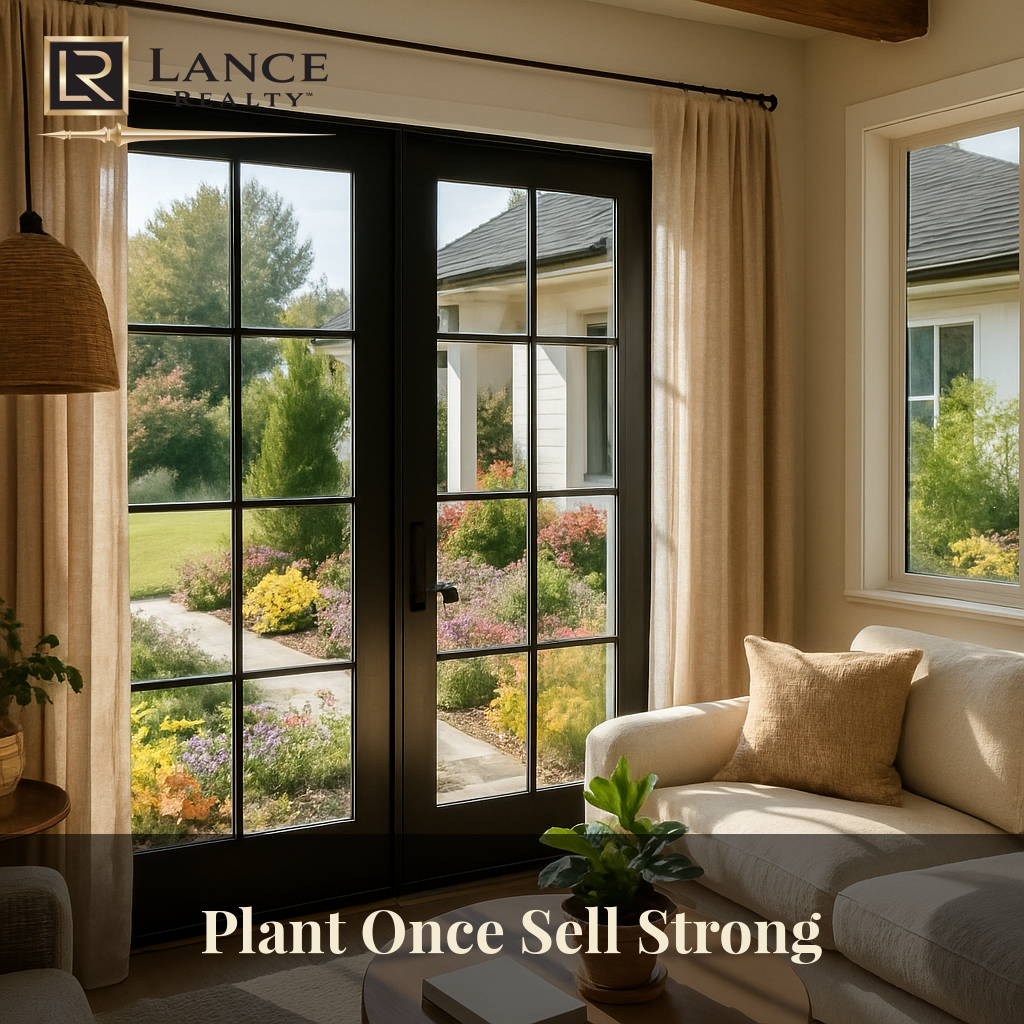
Simple Seasonal Gardening Tips for Eagle Homeowners: Low-Maintenance Yard Wins That Add Curb Appeal
September in Eagle means the air is finally cooling off, the hills are turning gold, and your yard is giving you that look. You know the one. The "I need attention but you've been putting me off all summer" look.
Here's the thing: your yard doesn't need to be a full-time job. And if you're thinking about selling in the next year or two, it definitely shouldn't be. What it needs is a smart, simple plan that works with Idaho's climate instead of against it.
I've walked enough Eagle properties to know that the homes with the best curb appeal aren't always the ones with the fanciest landscaping. They're the ones that look intentional, healthy, and easy to picture yourself enjoying. That's what buyers notice when they pull up to Floating Feather Road or drive through one of the newer developments near Avimor.
Why Eagle Yards Need a Different Approach
Eagle isn't Seattle. We don't get steady rain. We get blazing summers, cold winters, and about four months of perfect weather where everything grows like crazy. That means your yard strategy has to be built for extremes.
The good news? Once you plant the right things in the right spots, your yard practically takes care of itself. The bad news? A lot of Eagle homeowners are still trying to maintain plants that don't belong here, and it shows.
In August 2026, Eagle's median sold price hit $995,000 with homes averaging just 20 days on market. That's fast. And when homes are moving that quickly, first impressions matter more than ever. Buyers aren't spending weeks deciding. They're making calls after the first showing, and your yard is part of that first look.
Start With What You Already Have
Before you plant a single thing, take a walk around your property and look at what's already working. Do you have mature trees providing shade? A healthy lawn in the front? Existing shrubs that bloom every spring?
Don't rip everything out. Work with what's there. I see too many sellers spend thousands redoing landscaping that was already fine. Save that money for things that actually need attention.
If you've got bare spots, dead shrubs, or areas where nothing seems to grow, those are your focus zones. But if something is green, healthy, and not blocking windows or walkways, leave it alone.
Choose Plants That Actually Thrive Here
Idaho has a high desert climate. That means plants need to handle hot, dry summers and freezing winters. Forget the hydrangeas and azaleas you see in Portland magazines. They'll struggle here.
Instead, go with natives and adapted plants that don't need constant babying. Sagebrush, rabbitbrush, and Idaho fescue are all low-water, low-maintenance, and they look great in xeriscaped beds. Serviceberry and chokecherry give you spring blooms and fall color without much effort.
For color that lasts, try Russian sage, lavender, or yarrow. All three handle our summers, come back every year, and add texture without needing deadheading every weekend. Plant them in clusters of three or five for a fuller, more intentional look.
If you want shrubs, go with potentilla, spiraea, or ninebark. They're tough, they bloom, and they don't require constant pruning. Stick them along fences, near corners, or anywhere you want a little height without blocking sightlines.
Layered Planting Without the Fuss
Layered planting just means putting different heights together so your yard looks full instead of flat. You don't need a landscape architect. You just need three simple levels.
Start with a small tree or large shrub in the back. Add medium-height perennials in the middle. Finish with low groundcover or mulch in front. That's it. Three layers. It creates depth, hides bare spots, and makes everything look more polished.
For example: plant a dwarf crabapple in the back corner near your fence. Add a few clusters of Russian sage in front of it. Fill the gaps with creeping thyme or red sedum. Water it well the first season, then step back and let it do its thing.
This approach works great along the foundation of your home, around mailboxes, or anywhere you want a little visual interest without constant maintenance. And it's exactly the kind of thing buyers notice when they're driving up Beacon Light Road comparing listings.
Mulch Is Your Best Friend
If you do one thing this fall, spread mulch. It keeps weeds down, holds moisture in the soil, and makes everything look cleaner. Plus, it's cheap and easy.
Use two to three inches of wood chip mulch in your beds. Don't pile it against tree trunks or plant stems. Just spread it evenly and walk away. You'll cut your weeding time in half and your yard will look tidier immediately.
Buyers notice clean beds. They might not know why your yard looks better than the one down the street, but mulch is usually the difference. It's one of those small details that adds up fast when someone's deciding between your home and another one.
Fall Is the Best Time to Plant
Right now, in September, is actually the best planting window we get all year. The soil is still warm, the air is cooling off, and plants have time to establish roots before winter hits.
Spring planting is fine, but you're racing against summer heat. Fall planting gives everything a head start. By the time next June rolls around, your new shrubs and perennials will already be settled in and growing strong.
If you're planning to list next spring or summer, this is your moment. Get things in the ground now, mulch them well, water them through October, and you'll have a yard that looks healthy and intentional when buyers start touring.
Don't Ignore the Lawn
I'm not saying your lawn needs to be a putting green. But it does need to look healthy. Overseed any thin spots this fall, water it consistently through October, and make sure it's mowed and edged when you list.
A simple, green lawn frames everything else. It doesn't have to be perfect, but it can't be patchy, overgrown, or full of weeds. If your lawn is struggling, consider reducing the turf area and converting some of it to low-water beds. Less grass means less watering, less mowing, and often better curb appeal.
And if you're not sure what updates are worth doing before you list, check out What Should You Update Before Selling Your Star Home and What Can Wait for a full breakdown of what actually moves the needle with buyers.
Seasonal Maintenance That Actually Matters
Once your yard is set up right, maintenance gets simple. Spring means cutting back dead perennials and spreading fresh mulch. Summer means watering and spot-weeding. Fall means planting and prepping beds for winter. Winter means doing nothing.
That's it. No elaborate schedules. No weekend-long projects. Just a few simple tasks spread across the year that keep everything looking intentional.
And when you're ready to list, your yard won't need a desperate last-minute makeover. It'll already look like a home someone wants to live in.
What This Means If You're Selling
Curb appeal isn't just about pretty flowers. It's about setting the tone before buyers even open the front door. A well-kept yard signals that the home has been cared for. A messy, overgrown, or bare yard raises questions before anyone steps inside.
In August 2026, Eagle had 388 active listings and 228 pending sales. Inventory is higher than it was back in May 2026, when we only had 386 active listings but stronger buyer urgency. That means your home needs to stand out from the start, and your yard is part of that first impression.
I help sellers prepare their homes with The Seller's Edge system, which includes a full walkthrough of what to update, what to leave alone, and how to position your home so it doesn't just sit there. Your yard is part of that strategy, and it doesn't require a landscaping degree to get it right.
Share Your Own Yard Wins
Eagle homeowners are some of the best DIYers I know. If you've got a plant that's thriving, a bed design that's working, or a simple trick that saves you time, I'd love to hear about it. Real advice from real homeowners beats generic blog tips every time.
And if you're thinking about selling and want a realistic look at what your home needs before it hits the market, let's talk. I'll walk your property, give you a straight assessment, and help you build a plan that protects your equity and attracts serious buyers.
Have more questions about selling your Eagle home? Visit our Eagle Home Selling FAQ for straight answers on pricing, closing costs, timing, and more.
Barry Lance | Owner/Broker/Realtor® | 208-488-1433 | [email protected] | LanceRealty.com



