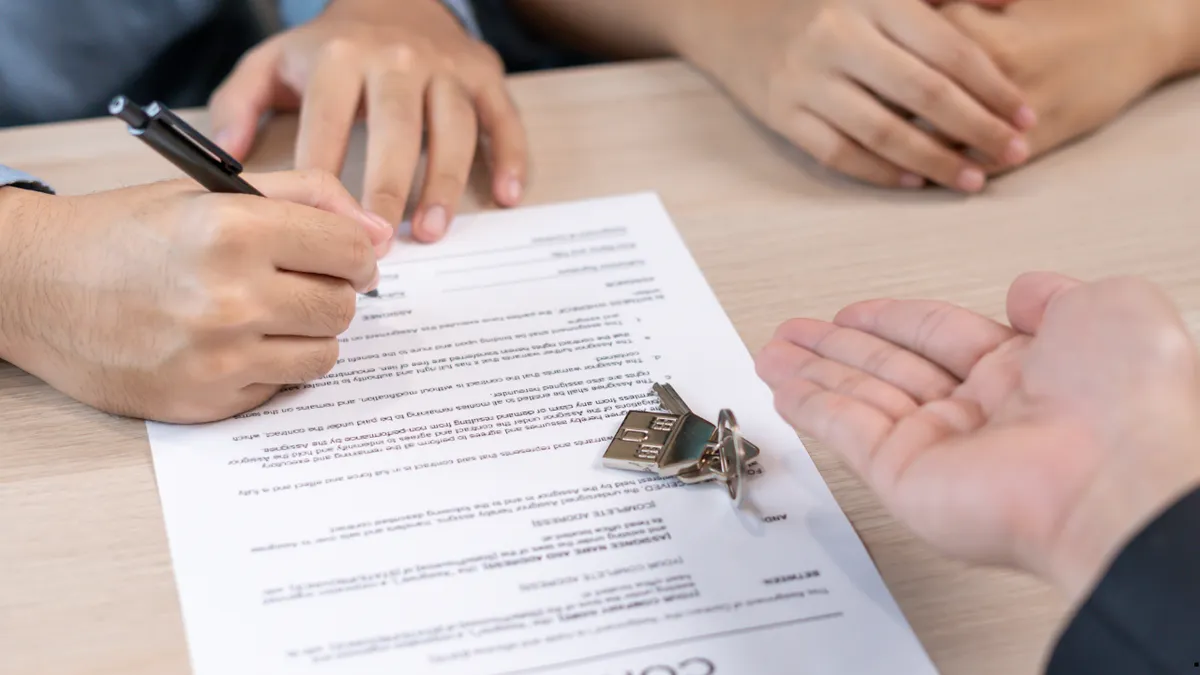
What Actually Happens Between "Offer Accepted" and "Keys Handed Over" in Boise
You Accepted the Offer. Now What?
I get a lot of questions from Boise sellers the moment they accept an offer. Most of them are versions of the same thing: "So we're done now, right?"
Not even close.
The time between accepting an offer and handing over keys is 30 to 45 days of work, coordination, and very real risk. Back in May 2026, we saw 374 closings in Boise with a median sold price of $592,500. Every one of those transactions had to survive inspection, appraisal, title review, loan approval, final walkthrough, and more. Some didn't.
If you want your sale to close without surprises, you need to know what's happening during that window and what can still go sideways.
The Inspection Is Where Most Deals Get Renegotiated
Within a week of accepting the offer, the buyer's inspector shows up. They'll spend three hours going through your home from the roof to the crawlspace, and they're going to find something.
They always do.
In Boise, where homes in areas like Surprise Valley, Cartwright Ranch, and Dry Creek Ranch were built in the late '90s and early 2000s, I see the same issues come up: aging HVAC systems, water heater nearing end of life, roof wear, minor grading concerns, or old sump pumps that work but look sketchy. In older neighborhoods near downtown, you're dealing with galvanized plumbing, outdated electrical panels, settling foundations, or crawlspace moisture.
The buyer's agent is going to send you a repair request. Sometimes it's reasonable. Sometimes it's a wish list.
Your job is to respond strategically, not emotionally. I help sellers decide what to fix, what to credit, and what to push back on. If the buyer asks for $12,000 in repairs on a home that went under contract in four days in May 2026 when the median days on market was four, you're negotiating from strength. If your home sat for 26 days like the April 2026 average and this is your only offer, that changes the conversation.
Context matters. So does having someone in your corner who knows how to read the situation.
The Appraisal Is the Other Big Gate
If your buyer is getting a loan, the lender orders an appraisal. The appraiser's job is to confirm the home is worth what the buyer agreed to pay.
In May 2026, Boise's median list price was $649,999 and the median sold price was $592,500. That gap tells you something: not every listing was priced right, and not every buyer paid asking price. Appraisers see the same numbers we do.
If your home appraises at or above the contract price, you're fine. If it comes in low, you've got a problem. The buyer's lender won't fund a loan for more than the appraised value, which means the buyer has to come up with the difference in cash or you have to lower your price.
Most sellers I work with assume the appraisal will work out because "the buyer agreed to pay this price." That's not how appraisers think. They're looking at closed sales in your neighborhood over the past 90 days, square footage, condition, lot size, upgrades, and location. If your home is overpriced or if the comps don't support the number, the appraiser won't bend.
The way to avoid appraisal problems is to price correctly from the start. If your pricing strategy is built on hope or what Zillow says your neighbor's house is worth, you're rolling the dice. I'd rather position your home based on real market data and give the appraiser an easy comp story to follow.
Title Work, Surveys, and HOA Documents Aren't Automatic
While the buyer is dealing with their lender, the title company is doing a full title search on your property. They're looking for liens, unpaid property taxes, easements, unresolved judgments, or anything else that could prevent a clean transfer of ownership.
Most of the time, title comes back clear. But I've had closings delayed because of an old contractor lien that was never released, a boundary dispute that required a survey, or an HOA that took two weeks to produce required documents.
In neighborhoods like Hidden Springs, Avimor, Harris Ranch, or One Nineteen, HOA paperwork is part of the process. The buyer's lender will want a copy of the HOA financials, CC&Rs, meeting minutes, and a letter confirming you're current on dues. If the HOA is slow or disorganized, that can push your closing date.
You can't control how fast the HOA moves, but you can make sure you've paid everything you owe and that your agent stays on top of document requests. Delays cost everyone time and stress.
The Buyer's Lender Is the Wildcard You Can't See
Even if inspection and appraisal go smoothly, the buyer still has to get final loan approval. That process takes weeks, and it's not automatic.
The lender is going to verify the buyer's income, employment, assets, credit, and debt. They're going to ask for pay stubs, bank statements, tax returns, and explanations for anything that doesn't look clean. If the buyer changes jobs, opens a new credit card, makes a large purchase, or has any significant financial change during the contract period, the lender can pull the approval.
I've had buyers lose financing three days before closing because they bought a car or because their employer restructured and their income looked different on paper. I've had underwriters ask for documentation the buyer couldn't produce. I've had appraisals come in fine but the lender decide the neighborhood was too far from downtown Boise and flag it as higher risk.
You can't control the buyer's lender. But you can work with buyers who are pre-approved by a local lender I trust, and you can make sure your side of the deal is clean so nothing on your end causes a problem.
Final Walkthrough Is Not a Formality
A day or two before closing, the buyer gets to walk through your home one more time. They're checking that the condition hasn't changed, that agreed-upon repairs were completed, and that everything in the contract is still in place.
This is where sellers get themselves in trouble by moving out too early and leaving the house a mess, removing items that were supposed to convey, or skipping repairs they agreed to handle. If the buyer shows up and the refrigerator is gone, the garage door opener doesn't work, or there's trash piled in the driveway, they can delay closing or ask for a credit.
Leave the home in the condition you promised. If you're moving before closing, make sure it's clean, empty, and ready. Don't assume the buyer won't notice or care. They will.
What Closing Day Actually Looks Like
If everything goes right, you'll get to closing day. In Idaho, closings usually happen at a title company office. You'll sit down, sign a stack of documents, and then the title company will release funds and record the deed.
Most closings take 30 minutes. You'll sign the deed, settlement statement, and a few other disclosures. The title company will answer questions and walk you through what you're signing. Once everything is recorded with Ada County, the sale is official and the buyer gets the keys.
You'll walk out with a check or a wire transfer for your proceeds. That number should match the settlement statement your agent reviewed with you a few days earlier. If it doesn't, speak up.
How to Keep Your Sale From Falling Apart
The best way to protect your closing is to work with someone who knows what's coming and can help you manage it. That's what I do.
I've closed deals in Boise for more than 24 years. I know what kills transactions and I know how to keep them on track. I review inspection requests before you respond, I help position your home so it appraises, I stay on top of title and lender timelines, and I make sure nothing on your side becomes a problem.
The Seller's Edge isn't just about marketing. It's about having a plan for everything that happens after the offer is accepted. That includes inspection strategy, appraisal positioning, contract management, and closing coordination. You don't have to figure this out on your own.
If you're thinking about selling in Boise this summer, let's talk. I'll walk you through what to expect, what to prepare for, and how to set your sale up for a clean closing. You've worked too hard to let it fall apart in the final stretch.
Barry Lance | Owner/Broker/Realtor® | 208-488-1433 | [email protected] | LanceRealty.com



