What Home Flaws Are Quietly Lowering Your Property's Value in Star, Idaho? (And What You Can Actually Fix Before Listing)
Your home can look great in photos and still lose value the moment a buyer walks through the door. Some flaws are loud. Cracked foundation, failed roof, obvious water damage. But in Star's summer market, where 93 homes sold in August 2026 at a median price of $609,000, it's often the quiet issues that cost sellers the most money without them ever knowing it.
I've been working with sellers throughout the Treasure Valley for more than 24 years, and the pattern is consistent. The things that lower your home's value the most are rarely the big, dramatic problems. They're the subtle ones. The ones buyers notice but don't always mention. The ones that make an appraiser pause. The ones that give a buyer just enough reason to ask for a price cut or walk away without saying why.
Here's what I'd be looking at if I were in your shoes and thinking about selling in Star this fall.
Poor Lot Drainage and Grading Issues
Star sits in a unique position in the Treasure Valley. Many of the neighborhoods built in the last decade, places like Heron River, Seneca Springs, and Trident Ridge, were carved out of farmland with careful attention to drainage and grading. But not all lots were created equal, and not all builders got it right.
If your property has standing water after a rainstorm, pooling near the foundation, or visible erosion around the yard, that's a red flag for buyers. It's not just cosmetic. It signals foundation risk, basement moisture problems, and expensive future repairs. And in a market where buyers have options, they'll move to the next listing rather than deal with drainage questions.
I've seen homes in Star lose $10,000 to $20,000 in negotiating power simply because the seller didn't address grading before listing. It doesn't always require a full re-grade. Sometimes it's as simple as re-routing downspouts, adding French drains, or reshaping flower beds to direct water away from the foundation. But if you don't address it before listing, the buyer's inspector will find it, and you'll be negotiating from a weaker position.
Visible Deferred Maintenance
Deferred maintenance is a fancy term for the small stuff you've been meaning to fix but haven't. Peeling exterior paint. Cracked caulk around windows. Loose handrails. Stained grout. Missing shingles. None of it sounds dramatic, but buyers read these details as a larger story about how the home has been cared for.
In Star, where many homes were built in the mid-2010s to early 2020s, buyers expect move-in-ready condition. When they see a checklist of small fixes, they start to wonder what else has been neglected. And when an appraiser walks through and sees deferred maintenance, it can affect the final valuation, especially if comparable homes in Cranefield or Shooting Comet show better.
The fix isn't expensive. It's a weekend. Maybe two. But it's the difference between a buyer feeling confident in your home and a buyer mentally discounting your asking price before they even make an offer. What Impacts Your Home's Final Selling Price Beyond Just Square Footage in Boise applies just as clearly in Star. It's not the size of your home that drives value. It's the condition, the presentation, and the buyer's confidence in what they're getting.
Outdated or Mismatched Fixtures and Finishes
Star has a mix of home styles. Some neighborhoods skew heavily toward newer builds with current finishes. Others have resale homes from the mid-2000s or earlier with builder-grade everything. And while you don't need to renovate your entire home to sell it, you do need to be realistic about how your finishes compare to what buyers are seeing elsewhere.
Outdated light fixtures, mismatched cabinet hardware, worn carpet, and builder-grade bathroom vanities all signal "work required" to a buyer. Even if the home is structurally sound, buyers mentally deduct renovation costs from your asking price. In August 2026, Star's median sold price was $609,000, but homes that felt dated or tired often sold closer to $560,000 or less, even with comparable square footage.
You don't have to do a full remodel, but strategic updates make a difference. Replacing brass fixtures with brushed nickel. Swapping out dated ceiling fans. Updating cabinet pulls. Painting dated oak trim. These aren't expensive fixes, but they shift the buyer's first impression from "fixer" to "ready."
If your home was built in the early 2010s and still has the original finishes, walk through it like a buyer would. Ask yourself honestly: does this feel current, or does it feel like it needs work? If the answer is the latter, a few thousand dollars in updates can protect tens of thousands in perceived value.
Lack of Curb Appeal and Landscaping Neglect
Star buyers are drawn to the lifestyle. Space. Privacy. Trees. Mountain views. A sense of quiet. They're not looking for a project property, and they're definitely not looking at a home that looks tired from the street.
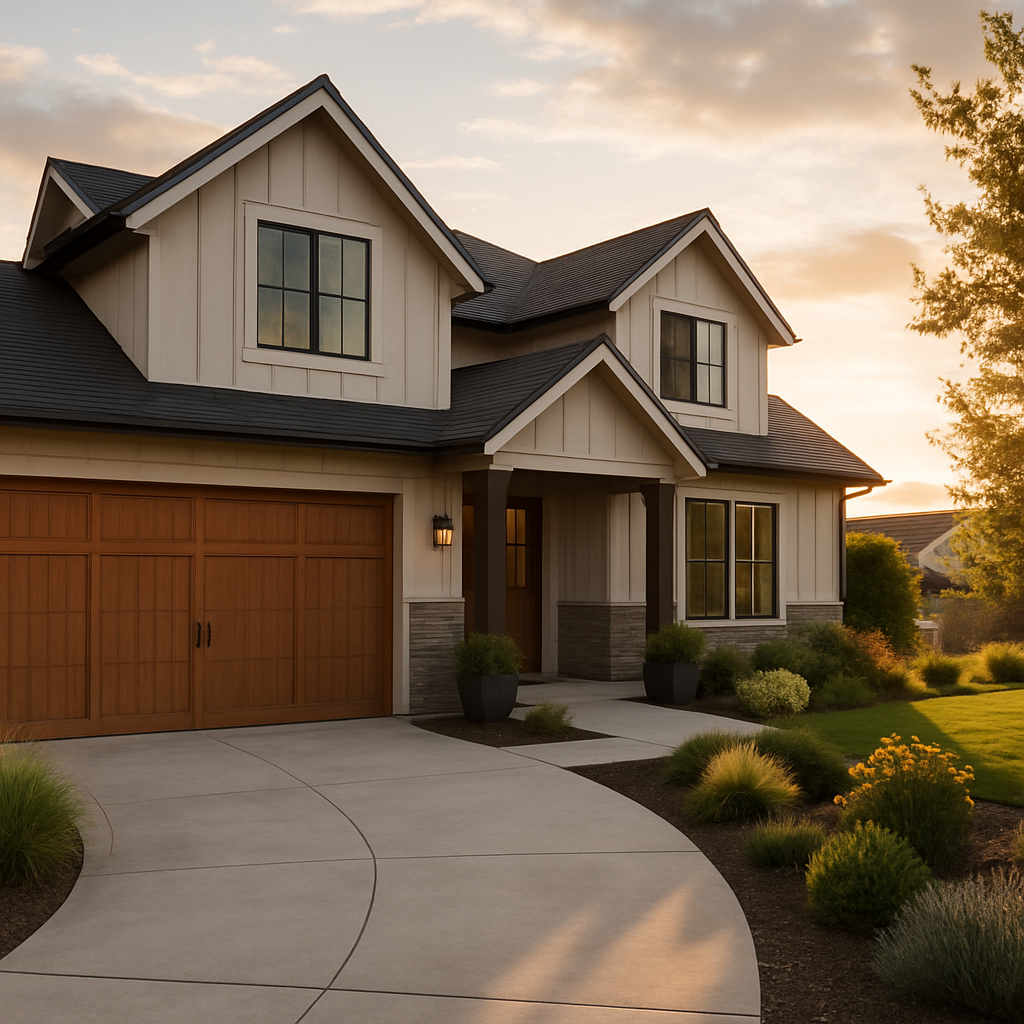
Curb appeal matters everywhere, but in Star it carries extra weight. Buyers driving through neighborhoods like Langtree, Milestone Ranch, or Trellis are comparing your home to others on large lots with mature landscaping, clean driveways, and well-maintained exteriors. If your yard is overgrown, your driveway is stained, or your front entry looks uninviting, you're starting the showing at a disadvantage.
The good news is curb appeal is one of the easiest things to control. Mow the lawn. Edge the driveway. Trim the trees. Mulch the flower beds. Power wash the front walkway. Paint the front door. These aren't big jobs, but they send a clear message: this home has been cared for.
I've seen homes in Star sit on the market for weeks longer than they should have simply because the seller didn't take the time to clean up the exterior. Buyers will drive by, decide it's not worth seeing inside, and move on. You never even get the chance to show them what the home offers.
Noisy HVAC, Water Heater, or Plumbing Systems
This one surprises sellers, but it shouldn't. Buyers notice noise. A furnace that rumbles when it kicks on. A water heater that bangs. Pipes that clang when a faucet is turned off. These aren't always signs of serious problems, but they make buyers nervous, and nervous buyers either ask for concessions or walk away.
In Star, where many homes were built in master-planned developments with standard builder systems, HVAC and plumbing equipment is often the same age as the home. If your home is 10 to 15 years old and the furnace, AC, or water heater has never been serviced, now is the time to get it checked. Not after the buyer's inspector flags it. Before.
A pre-listing HVAC inspection costs a couple hundred dollars. If there's an issue, you can fix it on your terms and your timeline. If everything checks out, you can market the home with confidence and provide documentation to the buyer that says the system has been maintained and is in good working order.
This isn't about hiding problems. It's about being proactive and protecting your negotiating position.
Poorly Documented or Unpermitted Work
Star has a lot of newer homes, but it also has plenty of properties where owners have done their own upgrades over the years. Finished basements. Added decks. Converted garages. Expanded master bathrooms. Some of this work was done with permits. Some wasn't.
If you've made improvements to your home and you don't have permits or documentation, that can become a problem when you sell. Buyers and their lenders want to know that work was done correctly and legally. If you can't produce permits, the buyer's appraiser may not include that square footage in the valuation. Or worse, the lender may refuse to finance the home until the work is inspected and brought up to code.
I'm not saying every seller needs to go back and retroactively permit old work, but you do need to know what you're dealing with before you list. If there's unpermitted work and it's likely to come up in the sale, disclose it upfront and have a plan for how to address it. Don't wait for the buyer to discover it during inspections and use it as leverage.
What You Can Fix and What You Can't
Not every flaw is worth fixing. If your home backs to a busy road or sits near power lines, that's a location issue you can't change. What you can do is price the home accurately and market it to buyers who value other things your property offers, lot size, privacy, views, or access to schools.
But the flaws I've outlined here are different. These are things you can control. They don't require massive investments or months of work. They require honesty, attention to detail, and a willingness to see your home the way a buyer will see it.
In August 2026, Star saw 93 closed sales with a median sold price of $609,000 and homes selling in a median of just 13 days. That tells you the market is still moving. Buyers are active. But they're also selective, and they have options. If your home has quiet flaws that signal deferred maintenance, buyer caution, or added cost, you're going to feel it in the offers you receive.
How The Seller's Edge Helps You Get Ahead of the Problems
My job isn't just to list your home and hope for the best. It's to help you position it so it competes at the highest level from day one. That's what The Seller's Edge is built around: a clear system that helps sellers prepare, price, market, and negotiate with confidence.
Before we ever list your home, we walk through it together and look at it through a buyer's eyes. What's working? What's not? What can we fix quickly and inexpensively? What do we need to disclose and price around? We don't guess. We plan.
And we don't wait until the buyer's inspection to find out what's wrong. We get ahead of it. That's the only way to protect your equity and your timeline in a market where buyers are informed, inspectors are thorough, and appraisers are conservative.
Have more questions about selling your Star home? Visit our Star Home Selling FAQ for straight answers on pricing, closing costs, timing, and more.
Barry Lance | Owner/Broker/Realtor® | 208-488-1433 | [email protected] | LanceRealty.com



