Why Meridian Homes That Look Ready Aren't Always Sale-Ready (And What Sellers Miss Most)
Your Home Looks Great. But Is It Positioned to Compete?
I talk to a lot of Meridian sellers who tell me their home is ready to list. The yard's clean. The interior's been updated. It looks good. And they're right, it does look good. But looking good and being positioned to compete in May 2026's Meridian market are two different things.
Here's what I mean. Back in May 2026, we saw 337 homes sell across Meridian. That's up from 321 in April 2026 and a solid jump from the 246 that sold in May 2025. More homes are moving, and the market's active. But here's the part that matters for you: the median sold price in May 2026 was $569,990, while the median list price was $599,990. Homes are selling, but many aren't getting their list price. And the ones that do? They were positioned differently from the start.
Your competition isn't just the home two streets over in Spurwing or Paramount. It's every listing a buyer sees online between Eagle Road and Black Cat, and every new construction model they walk in Ten Mile Crossing or Sarterra. You're not just selling a house. You're competing for attention, emotion, and urgency.
That's why I built The Seller's Edge. It's not a marketing pitch. It's a system that helps you see your home the way buyers and their agents see it, and then position it to stand out, not just show up.
What Most Meridian Sellers Miss When Preparing Their Home
Let me walk you through the most common gaps I see when sellers prep their home without a real strategy.
First: curb appeal isn't just mowing the lawn. Meridian buyers are driving past dozens of listings in Brookside, Ambrose, and Crossroads Commons before they ever pull into your driveway. If your front entry, landscaping, or exterior paint doesn't make them want to see more, they're moving on. I'm talking about mulch, trimmed hedges, a clean garage door, and an entry that feels like it matters. Not Instagram-perfect. Just intentional.
Second: you've lived with your layout for years, so it makes sense to you. But buyers don't know where to look. They walk in and they're deciding in 90 seconds whether this home feels right. If your furniture blocks natural sight lines, if your master closet's packed, or if your kitchen counters are covered in mail and appliances, they're not imagining themselves there. They're distracted. Staging isn't about decorating. It's about clarity.
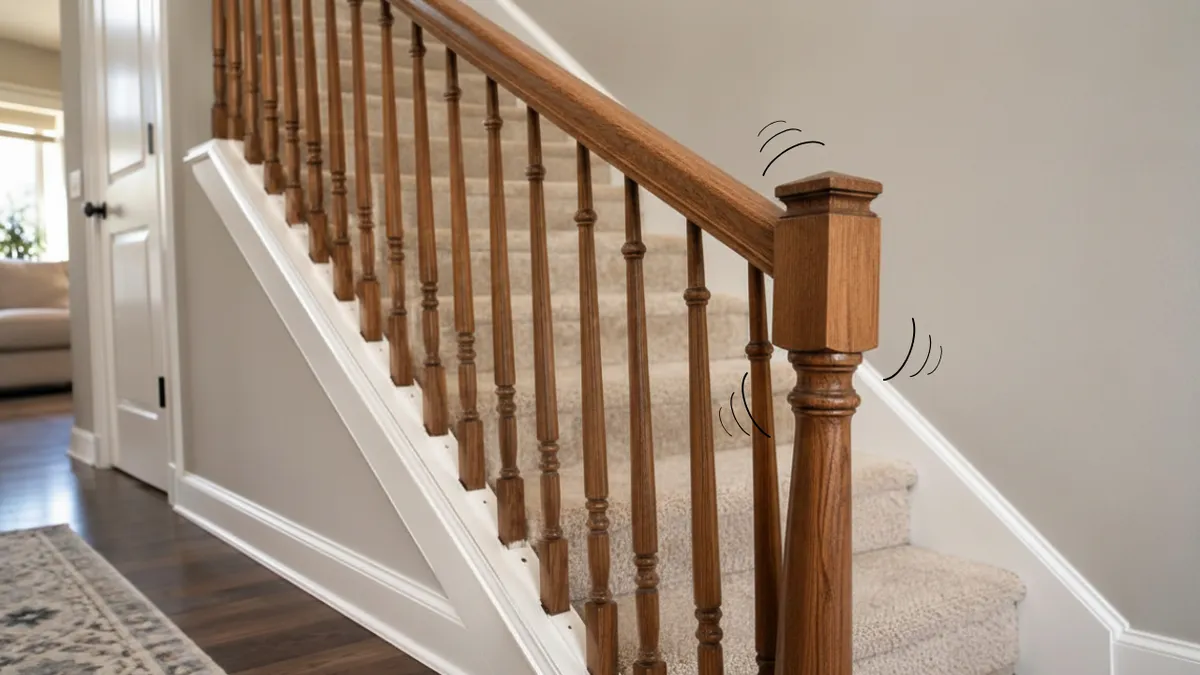
Third: small condition issues you've ignored will become big negotiation problems later. That cracked tile in the laundry room. The wobbly banister. The GFCI outlet that doesn't work. Buyers will find them during the inspection, and you'll either fix them under pressure or give a credit that costs you more than the repair would've. Handle it upfront.
Fourth: pricing. This is the one that separates homes that sell in 16 days (the median days on market in May 2026) from homes that sit for 39 days or more. I don't care how beautiful your home is—if it's priced like it's still May 2025 when the median sold price was $579,995, you're starting behind. The market moved. Your strategy has to move with it.
What Buyers Actually Notice (That Sellers Don't Think About)
Buyers touring Meridian homes in June aren't just looking at square footage and school boundaries. They're noticing everything.
They notice how your home smells the second they walk in. If you have pets, you're nose-blind to it. If you cook with strong spices or smoke inside, same thing. Buyers aren't. A neutral-smelling home isn't exciting, but it also doesn't give them a reason to leave early. Use that to your advantage.
They notice light. Meridian homes with good natural light feel bigger and more inviting, especially in neighborhoods like Tuscany, Somerset, and Timber Grove where lot sizes and window placement vary widely. Open your blinds. Replace dim bulbs. Let the space breathe.
They notice how much stuff you have. Packed closets, full garages, counters covered in toasters and coffee makers—buyers read that as "this house doesn't have enough storage." Even if it does. Clearing out 30% of what's visible makes every room feel bigger and more functional.
They notice whether your updates match the market. If you're in a home built in 2005 in Lakeview or Meadow Creek and you haven't touched the finishes, you're competing against newer builds in Orchard Park and Sunbridge where everything's current. You don't have to remodel your whole house, but dated carpet, worn countertops, or builder-grade everything will show up in your negotiation. Addressing the highest-impact items upfront protects your price.
And they notice your price compared to everything else they've seen. The average sold price in May 2026 was $635,096. If you're asking $680,000 for a home that doesn't clearly justify the premium, buyers are just going to move on to the next listing. Pricing isn't about what you need or what Zillow says. It's about positioning your home in the current market so it competes and wins.
The Difference Between Listing and Positioning
A lot of sellers think preparation means cleaning up and putting a sign in the yard. And yeah, that's listing. But positioning is different.
Positioning means understanding where your home sits in the current Meridian market. What's the real competition? What are buyers comparing you to in your price range and area? What's your home's strongest selling point—location near St. Luke's, access to West Ada schools, a big lot, an updated kitchen—and how do we lead with that? What's the pricing strategy that gets you the most activity in the first two weeks, when buyer interest peaks?
It also means being honest about what needs to be addressed before we go live. I'd rather you spend $1,200 on paint and repairs now than lose $8,000 in negotiation later because a buyer's inspection turned up a list of issues that made them nervous. That's not being picky. That's protecting your equity.
The Seller's Edge System walks you through this. We look at your home's condition, your market position, your pricing strategy, and your marketing plan before anything goes live. It's not complicated, but it's specific. And it's designed for Meridian sellers who want a clear plan, not just a listing.
How Meridian's Market Right Now Should Shape Your Prep
Back in May 2026, homes were selling at a median of 16 days on market. That's faster than April 2026, when it was 19 days, and just slightly longer than May 2025, when it was 13 days. The market's moving. But speed doesn't mean you can skip preparation.
Here's what the data's telling me. Homes that are priced right and show well are still moving fast. But homes that aren't? They're sitting longer. The average days on market in May 2026 was 39 days—more than double the median. That gap tells me buyers are pickier than they were a year ago, and they have options. If your home doesn't stand out in photos, pricing, or condition, it's not getting the showings. And if it's not getting the showings, it's not getting the offers.
We're also seeing more sold volume compared to a year ago. That means inventory's higher and competition's real. If you're in a neighborhood like Swan Falls Ranch, Brookside, or Volterra where there are multiple listings at similar price points, your prep work isn't optional. It's the difference between selling strong and chasing the market down.
The other thing I'm watching is the gap between list price and sold price. In May 2026, that gap was about $30,000 at the median level. Some of that's negotiation. But a lot of it's pricing strategy. Homes that start too high sit longer, attract fewer showings, and end up selling for less than they would have if they'd been priced right from the start. That's not a market problem. That's a strategy problem.
Summer Prep Advice for Meridian Sellers
If you're planning to list in the next 60 days, here's what I'd be focused on right now.
Get your yard dialed in. Meridian summers are hot, and buyers notice dried-out landscaping, patchy grass, and tired-looking front entries. If your sprinkler system isn't working right, fix it. If your flower beds are empty or overgrown, clean them up or add fresh bark. If your back patio's cluttered or your fence is falling apart, handle it. Outdoor space matters here, especially in neighborhoods like Brookside, Cobblefield, and Sterling where lots and outdoor access vary.
Make sure your home shows cool and comfortable. If your AC isn't keeping up or your home feels stuffy when buyers walk in, that's a problem. Buyers touring in June and July are hot. If your home doesn't feel like a relief, they're not staying long. Check your HVAC, replace filters, and set the temp lower than you normally would on showing days.
Don't skip the pre-listing inspection. I'd rather know about foundation cracks, roof wear, or electrical issues before buyers do. A pre-listing inspection gives you time to address problems strategically instead of reactively. It also gives buyers confidence that you've been transparent, which can strengthen your negotiation position.
Clean like you're selling. Not like you're having company. I mean every baseboard, every window, every corner. Buyers will open your cabinets, look under sinks, and check your garage. If it feels messy or neglected, they'll assume you didn't maintain the rest of the home either. Fair or not, that's how it works.
And work with someone who knows how to position your home, not just list it. There are plenty of agents who'll put your home on the MLS and hope for the best. I'm not one of them. My job is to help you see what buyers see, price your home to compete, market it so it stands out, and negotiate it so you walk away with the best possible result.
What Happens When You Skip the Strategy
Here's what I see when sellers skip preparation and positioning.
They list too high because they're guessing or because another agent told them what they wanted to hear. The home sits. Showings drop off. They reduce the price, but now the home looks stale online and buyers wonder what's wrong with it. They end up selling for less than they would have if they'd priced it right and prepped it properly from the start.
Or they list without addressing obvious condition issues. Buyers tour the home, like it, make an offer, and then the inspection comes back with a long list of problems. Now you're negotiating from a weak position, giving credits, or worse—losing the buyer entirely and starting over.
Or they hire an agent who doesn't have a real marketing plan. The listing goes live with bad photos, generic descriptions, and no strategy to drive buyer interest. The home blends into the background, and showings are slow. Again, the price drops, and you lose momentum.
None of that has to happen. But it requires a plan. And it requires working with someone who understands the Meridian market, knows how to position your home, and cares about protecting your equity as much as you do.
Let's Build Your Plan
If you're thinking about selling, let's talk before you do anything else. I'll walk through your home, your goals, your timeline, and the current market. We'll look at what makes sense to address, how to price your home to compete, and how to position it so it stands out in a market where buyers have options.
You don't have to guess your way through this. That's what I'm here for.
Barry Lance | Owner/Broker/Realtor® | 208-488-1433 | [email protected] | LanceRealty.com



